NDIS SIL Practice Standards 2026 | Key Changes from 1 July 2026
NDIS SIL Practice Standards 2026: What Providers Need to Know About the Changes from 1 July 2026
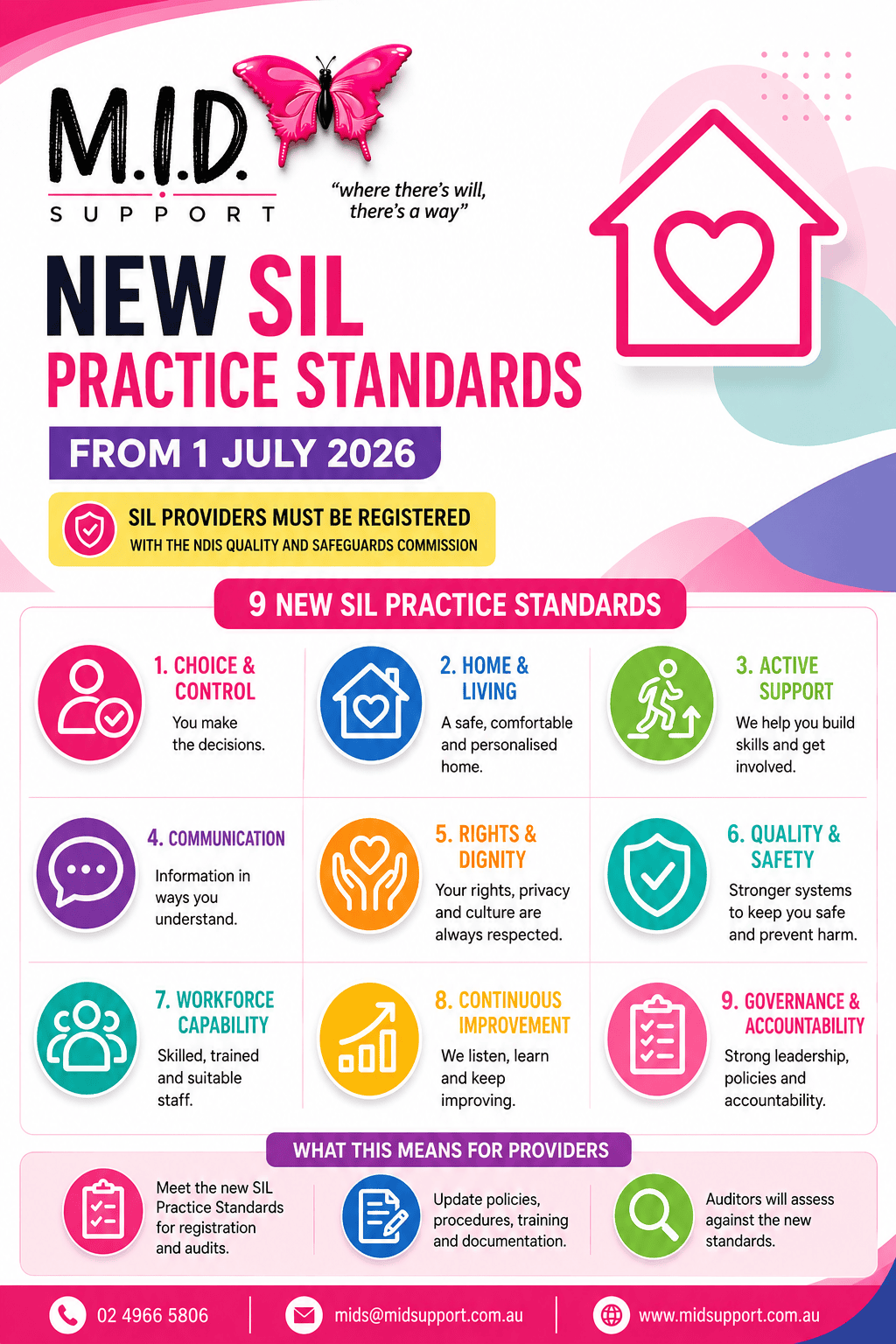
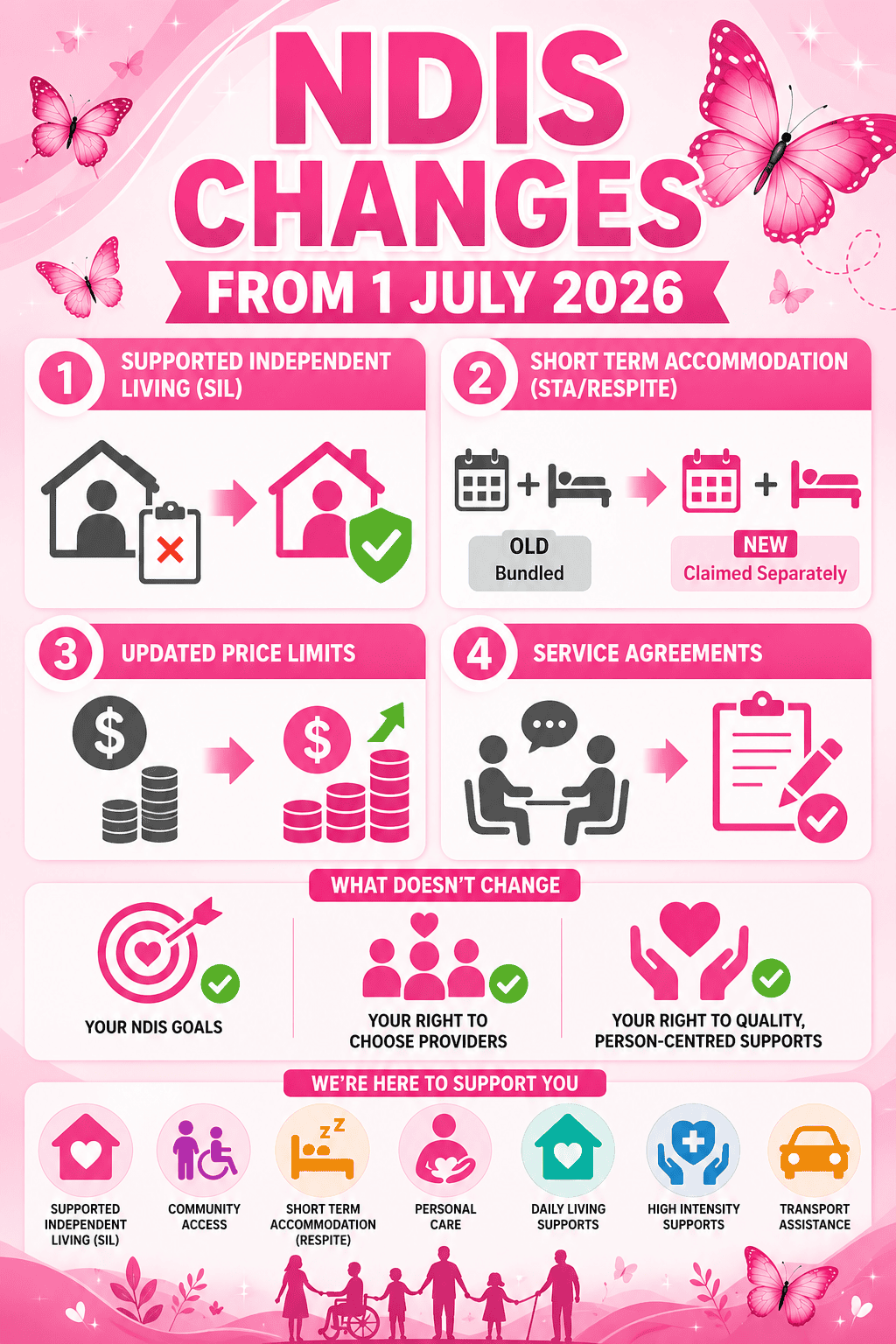
From 1 July 2026, new NDIS Supported Independent Living (SIL) Practice Standards came into effect, introducing stronger quality, safety and governance requirements for registered SIL providers.
These updated standards, introduced by the NDIS Quality and Safeguards Commission, are designed to improve the quality of Supported Independent Living services across Australia while ensuring participants have greater choice, independence and protection.
If your organisation delivers NDIS Supported Independent Living (SIL) services, it is important to understand these new requirements and prepare for registration and certification audits.
What Are the New NDIS SIL Practice Standards?
The NDIS SIL Practice Standards establish clear expectations for how registered Supported Independent Living providers deliver services. They focus on person-centred support, participant rights, quality service delivery and continuous improvement.
The standards apply to all registered SIL providers and form part of the assessment during NDIS Commission audits.
Key Changes to the NDIS SIL Practice Standards
Greater Choice and Control
Participants should have genuine choice about where and how they live. This includes making decisions about their daily routines, meals, visitors, household activities and the supports they receive.
Providers are expected to empower participants to make informed decisions and build independence.
A Home That Feels Like Home
Supported Independent Living homes should be safe, comfortable, accessible and personalised to meet each participant’s individual preferences, goals and cultural needs.
The emphasis is on creating real homes rather than institutional environments.
Increased Focus on Active Support
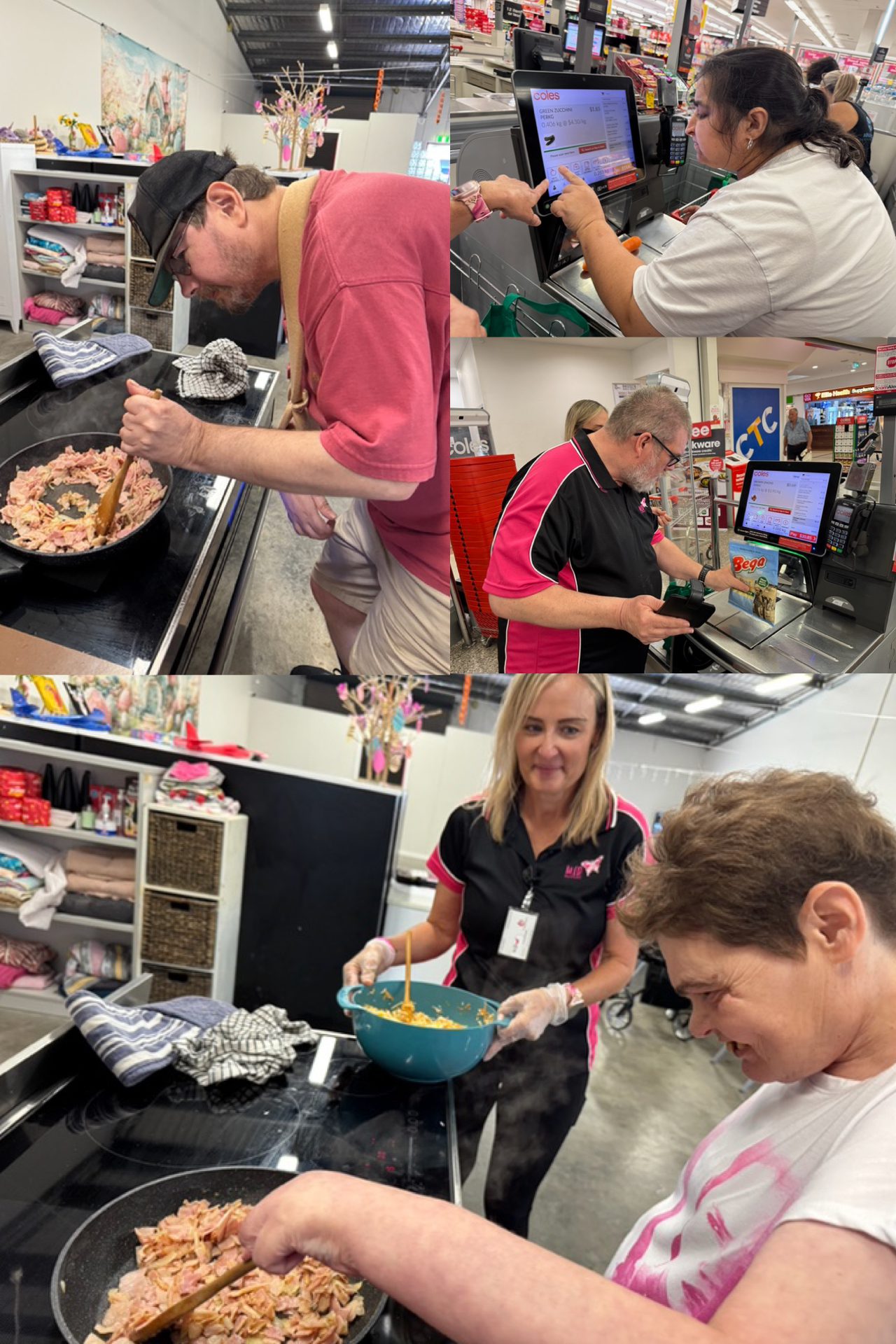
The new standards encourage providers to actively support participants to develop everyday living skills.
Rather than completing tasks for participants, support workers should encourage involvement in cooking, cleaning, shopping, personal care and community participation wherever appropriate.
Accessible Communication
Participants must receive information in ways they understand.
Depending on individual needs, providers may use:
- Easy Read resources
- Visual supports
- Interpreters
- Auslan
- Assistive communication technology
Effective communication helps participants make informed choices about their supports.
Respect for Rights, Privacy and Dignity
The updated standards reinforce the importance of protecting participants’ rights.
Providers must promote:
- Privacy
- Dignity
- Cultural identity
- Independence
- Human rights
- Individual choice
Stronger Quality and Safety Requirements
The NDIS Commission now expects providers to demonstrate stronger governance and quality systems.
This includes:
- Risk management
- Incident management
- Complaint handling
- Safeguarding participants
- Preventing abuse, neglect and exploitation
Workforce Capability
Registered SIL providers must ensure staff receive:
- Appropriate induction
- Ongoing training
- Regular supervision
- Competency assessments
Providers should maintain evidence that workers have the knowledge and skills required to deliver high-quality supports.
Continuous Improvement
Continuous improvement is now a stronger focus.
Providers should regularly collect participant feedback, review service outcomes and use this information to improve the quality of their Supported Independent Living services.
What Do These Changes Mean for NDIS SIL Providers?
To comply with the new NDIS SIL Practice Standards, providers should review their operations and ensure their systems reflect the updated requirements.
Areas to review include:
- Policies and procedures
- Staff training programs
- Participant documentation
- Governance frameworks
- Risk management processes
- Incident and complaints systems
- Audit evidence and compliance records
Certification auditors will assess providers against these standards during registration and ongoing audits.
How Providers Can Prepare
Preparing early can make the audit process smoother and help improve service quality.
Consider:
- Reviewing your current compliance framework
- Updating policies to reflect the 2026 SIL Practice Standards
- Delivering staff training on participant rights and active support
- Strengthening governance and quality assurance processes
- Collecting evidence that demonstrates compliance with each Practice Standard
Final Thoughts
The NDIS SIL Practice Standards introduced on 1 July 2026 represent an important step towards improving the quality, safety and consistency of Supported Independent Living services across Australia.
For providers, these changes are more than a compliance requirement—they are an opportunity to strengthen participant outcomes, improve service delivery and demonstrate best practice in Supported Independent Living.
By understanding the new standards and preparing for audits, providers can continue delivering high-quality, person-centred supports while meeting the expectations of the NDIS Quality and Safeguards Commission.