NDIS Reforms 2026–2030: Timeline & Key Changes Explained
NDIS Reforms Timeline 2026–2030: What Participants and Providers Need to Know
The NDIS is undergoing significant reform, with changes to NDIS funding, planning, claiming, provider requirements and participant access expected to be introduced progressively over the coming years.
For NDIS participants, families, carers, Support Coordinators, Plan Managers and NDIS providers, understanding what is changing, when reforms may take effect and how to prepare is increasingly important.
The most important thing to remember is that NDIS reforms will not all happen at once, and participants will not necessarily transition to new arrangements at the same time.
This guide explains the major NDIS reforms and expected timeline from 2026 onwards, what the changes could mean for participants and providers, and practical steps you can take to prepare.
NDIS Reforms: What Is Changing?
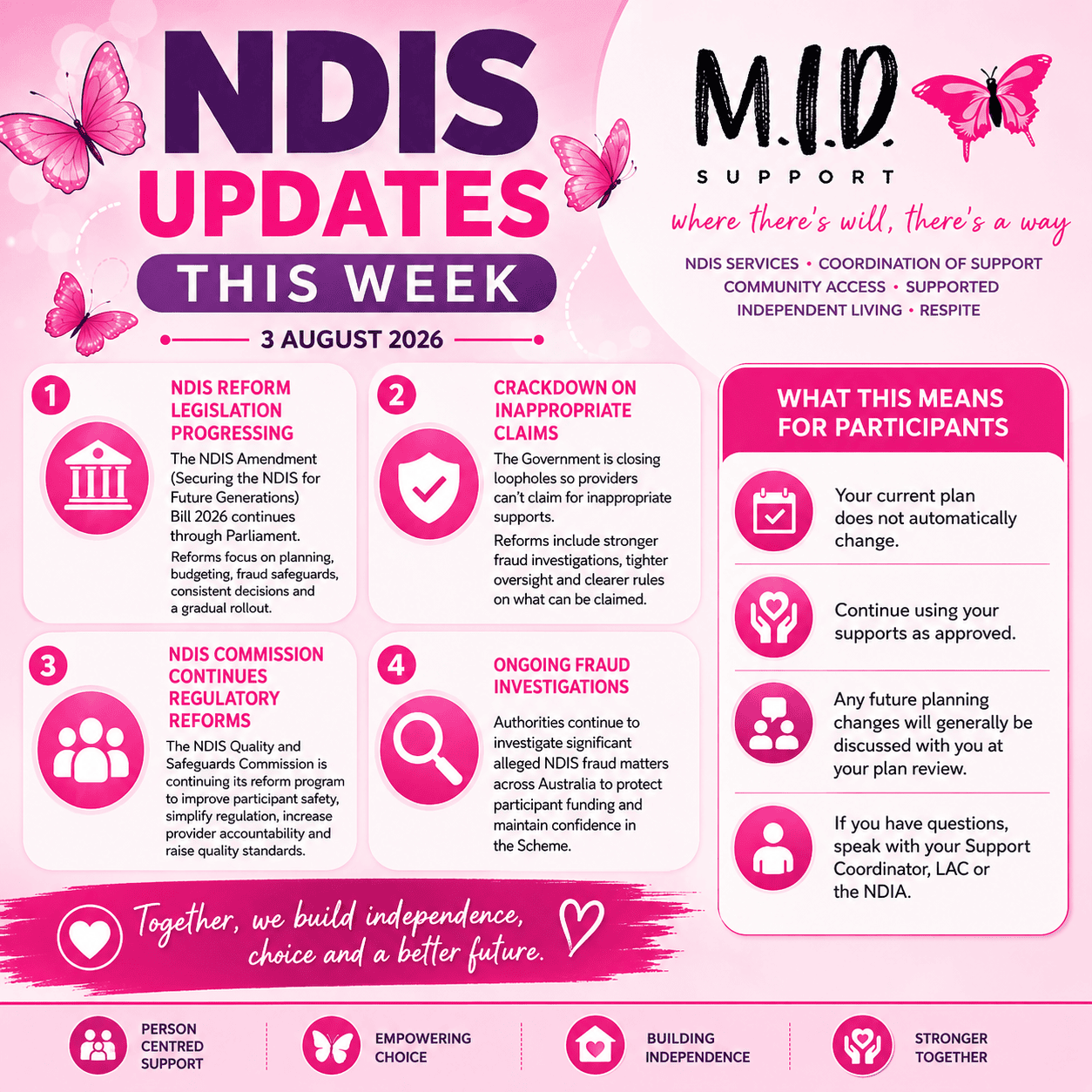
The Australian Government is implementing significant changes to the National Disability Insurance Scheme (NDIS).
While new legislation establishes the framework for reform, many changes require further rules, operational processes and transition arrangements before they affect individual participants or providers.
This means the introduction of NDIS reform will be progressive rather than an overnight change to the entire Scheme.
Participants should continue using their existing NDIS plans and approved supports unless the National Disability Insurance Agency (NDIA) advises them that their arrangements are changing.
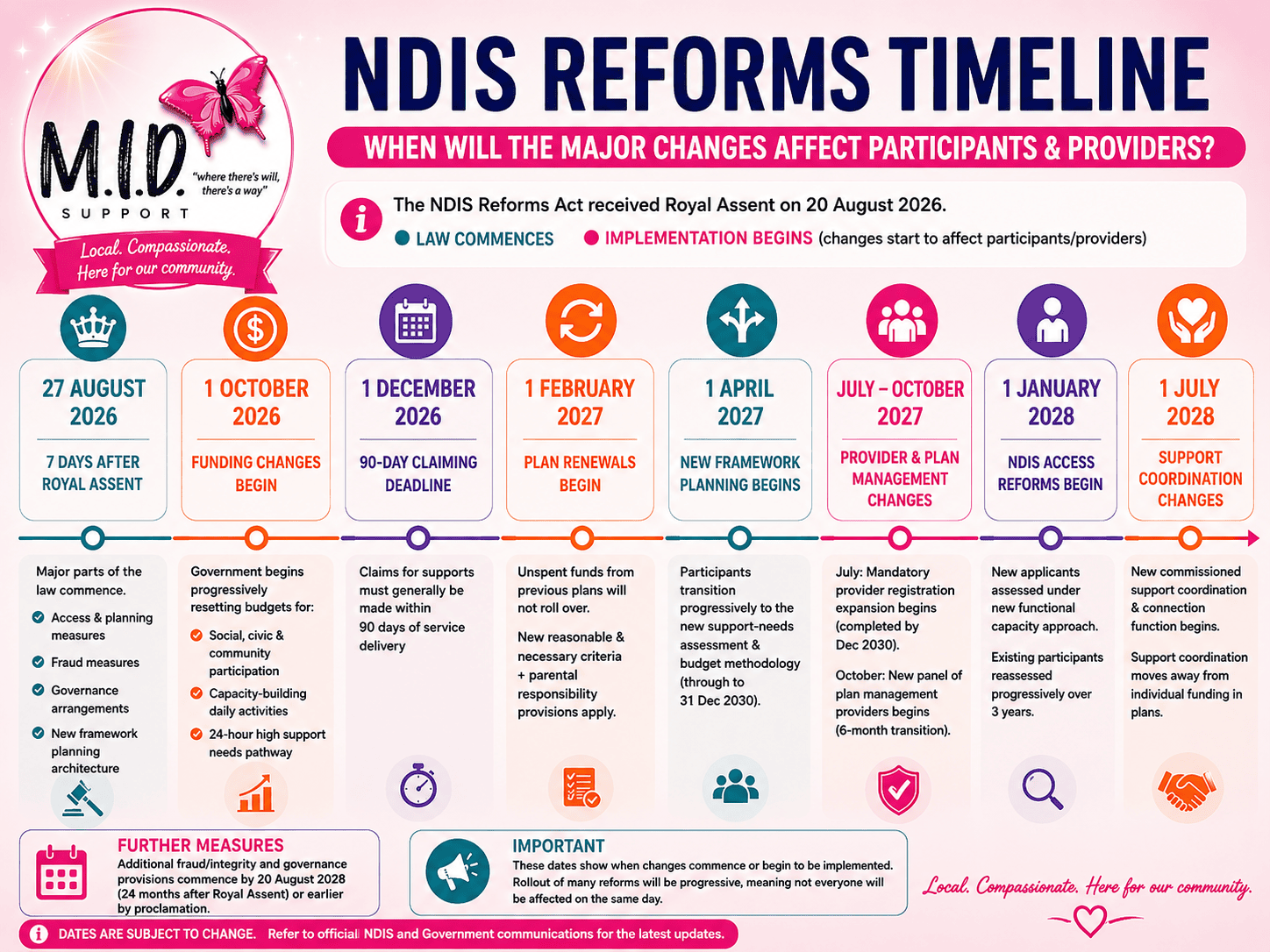
NDIS Reforms Timeline 2026–2030
The reform process is expected to involve several stages, including changes affecting:
- NDIS funding and participant budgets
- NDIS claiming requirements
- Plan renewals and funding periods
- New framework planning
- Support-needs assessments
- NDIS provider registration and regulation
- Plan management
- NDIS access and eligibility processes
- Support Coordination and connection/navigation services
- Fraud prevention, governance and Scheme integrity
Importantly, some dates associated with NDIS reform represent the beginning of a transition or implementation period, rather than the date every participant will experience that change.
Changes to NDIS Funding and Participant Budgets
One of the major areas of NDIS reform involves how participant funding and budgets are structured, allocated and managed.
From late 2026 and beyond, changes are expected to be progressively introduced across areas including social, civic and community participation, capacity-building supports, funding periods and pathways for some participants with high support needs.
Participants should carefully review information provided by the NDIA whenever their NDIS plan is reassessed, varied, renewed or transitioned into a new planning arrangement.
A reform commencement date does not necessarily mean an existing participant’s entire plan will immediately change.
New NDIS 90-Day Claiming Requirements
Another important reform area is the introduction of shorter timeframes for NDIS claims.
Subject to commencement arrangements and applicable exceptions, new legislation introduces a 90-day claiming requirement for NDIS supports.
This makes accurate and timely administration particularly important for NDIS providers.
Providers should maintain appropriate:
- Service agreements
- Invoices and payment records
- Progress and case notes
- Attendance and service-delivery records
- Evidence supporting services delivered
- Claiming and reconciliation procedures
Participants who self-manage their NDIS funding should also maintain appropriate evidence and records for the supports they purchase.
Providers should avoid unnecessarily delaying claims and should ensure their invoicing and claiming systems are prepared for any new requirements before they become applicable.
Changes to NDIS Plans and Plan Renewals
The way NDIS plans are developed, renewed and managed is also changing.
Rather than every participant transitioning on one particular date, new planning arrangements are expected to be introduced progressively.
This is important for participants and families: continue using your existing NDIS plan normally until the NDIA tells you that a change applies to you.
Participants should carefully read correspondence from the NDIA relating to plan reassessments, variations, renewals or transitions.
New Framework Planning and Support-Needs Assessments
A major component of NDIS reform is the transition toward new framework planning.
This is expected to involve a different approach to assessing disability-related support needs and determining participant budgets.
The transition is intended to occur progressively, meaning Australia’s NDIS participant population will not move to the new system simultaneously.
Before transitioning, participants should receive information explaining what the new process means for their individual circumstances.
Participants may also benefit from keeping relevant assessments, reports and supporting evidence organised and up to date.
NDIS Provider Registration Changes
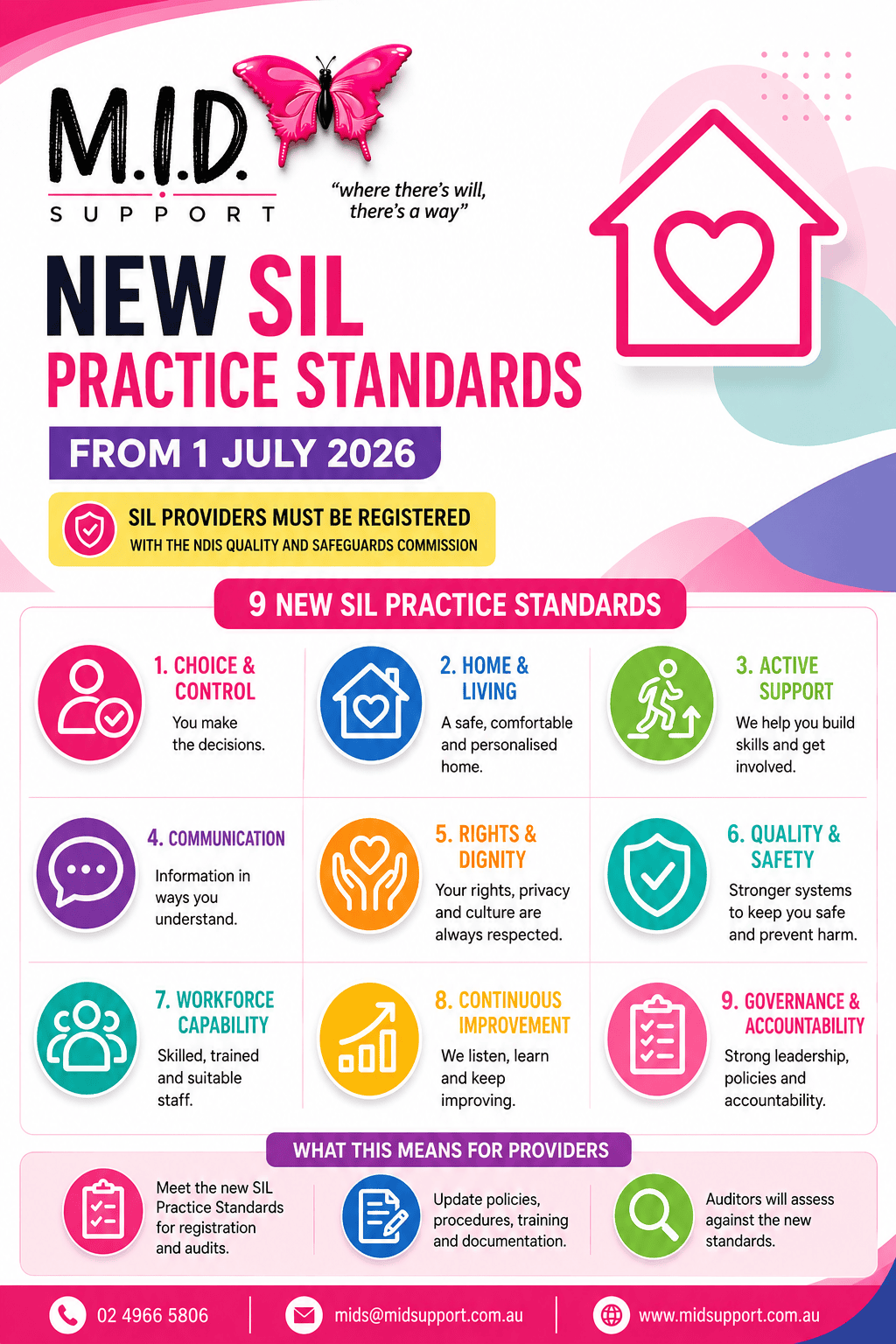
NDIS provider registration reform is another significant area providers should monitor closely.
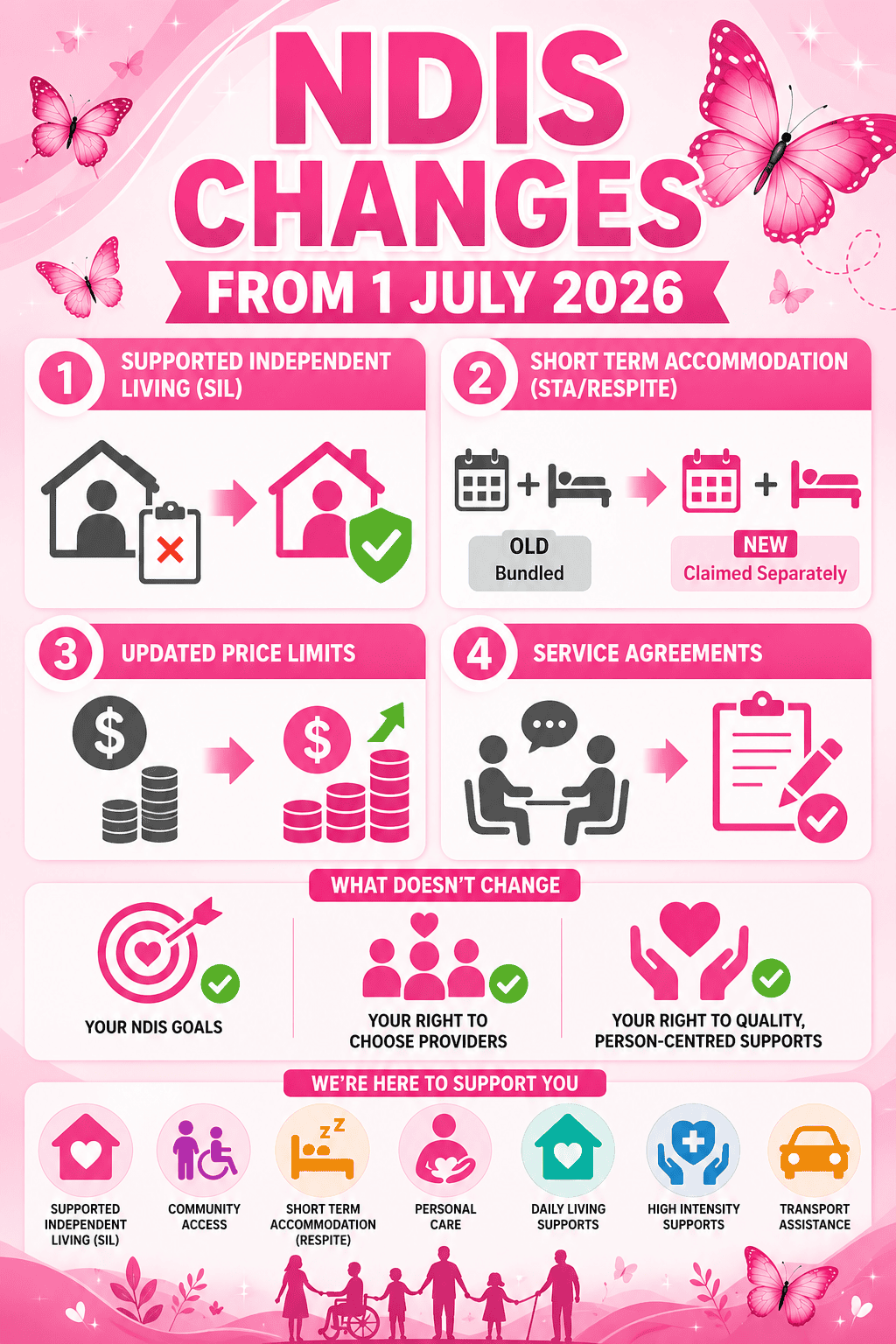
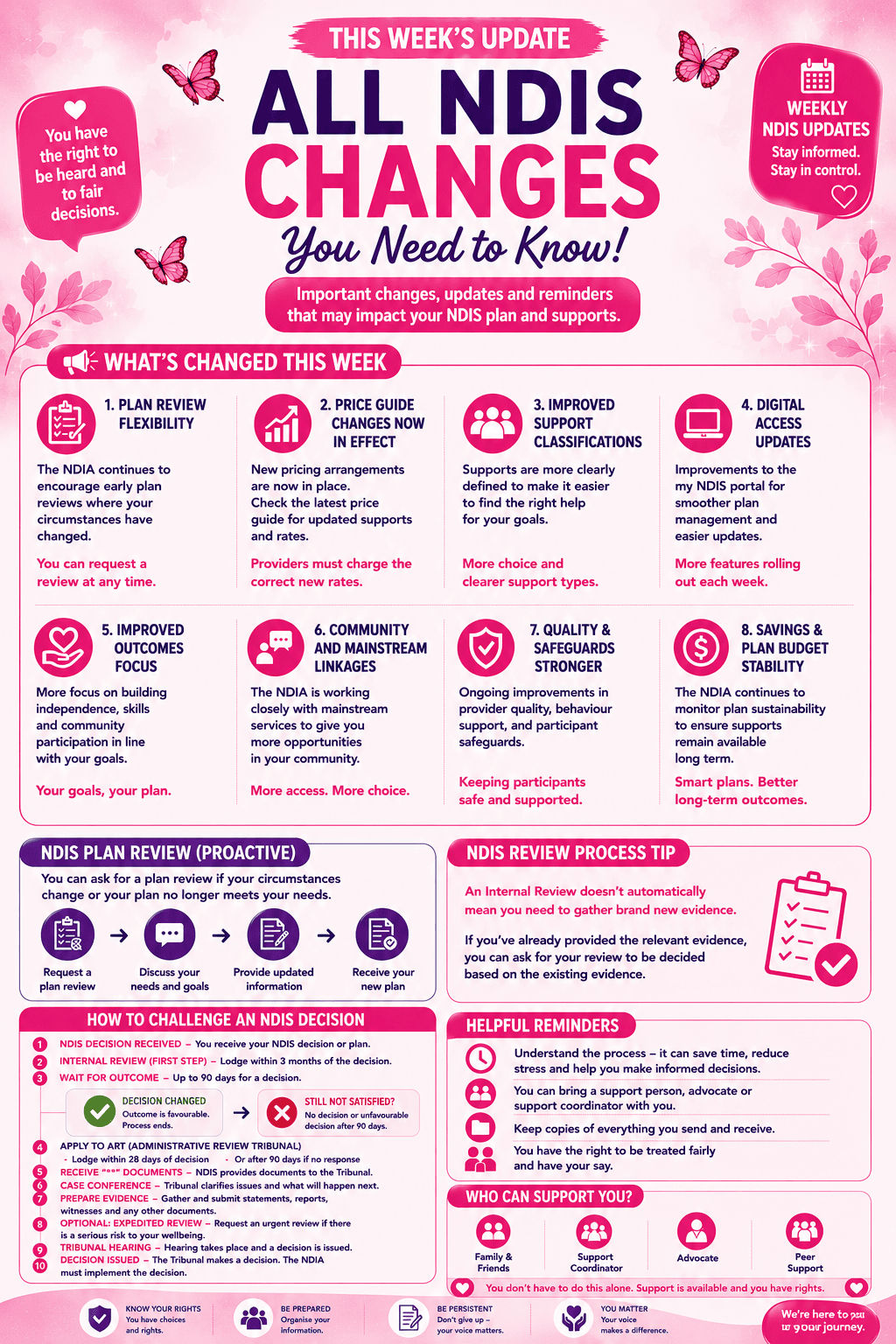
Registration requirements and implementation proposals have continued to evolve. Providers should therefore be cautious about relying on older social-media posts, graphics or previously announced timelines without checking whether the information remains current.
Providers should regularly monitor official information from the NDIS Quality and Safeguards Commission, NDIA and Australian Government.
This is particularly important for providers delivering services that may become subject to additional registration, compliance or regulatory requirements.
Changes to NDIS Plan Management
Plan management arrangements are also part of the broader NDIS reform program.
Future changes may affect how Plan Managers operate, the regulatory requirements applying to providers and how participant funding is administered.
As implementation details develop, both participants and providers should distinguish between reforms that have:
already become law, commenced or entered implementation, and been announced but are still being designed or developed.
This distinction is important because an announced reform does not necessarily mean an immediate change to a participant’s current plan.
Changes to NDIS Access and Eligibility
Future NDIS reforms will also affect how people apply for and access the NDIS and how disability-related support needs are assessed.
These changes are expected to be introduced progressively alongside broader reforms to Australia’s disability support system.
New applicants and existing participants may therefore experience different processes depending on when particular reforms commence and where implementation has reached.
Participants should rely on information provided directly by the NDIA about changes affecting their individual circumstances.
What Is Happening to NDIS Support Coordination?
The future of NDIS Support Coordination, navigation and connection supports remains an important area of reform.
Participants should not assume that their Support Coordination funding will automatically disappear on a particular date simply because a timeline, Facebook post or other information online says that Support Coordination is changing.
Further implementation details may still need to be finalised.
Until participants receive official information affecting their individual plan, they should continue following their existing NDIS plan and approved funding arrangements.
What Should NDIS Participants Do to Prepare?
There is generally no reason to stop using an existing NDIS plan simply because future reforms have been announced.
Participants, families and carers can prepare by:
- Keeping assessments, reports and supporting evidence organised
- Maintaining appropriate records relating to NDIS-funded supports
- Reading letters, emails and other NDIA correspondence carefully
- Reviewing new plans and funding arrangements when received
- Asking questions when a decision or funding change is unclear
- Discussing upcoming changes with a Support Coordinator, Plan Manager or trusted support
- Checking information against official NDIS and government sources
- Keeping copies of important NDIS documents and correspondence
Most importantly, participants should seek clarification if they are unsure whether a reform actually applies to them.
What Should NDIS Providers Do to Prepare?
NDIS providers should use the reform period to review their internal systems and compliance processes.
Key areas include:
- Claiming and invoicing procedures
- Service-delivery documentation
- Progress notes and evidence
- Record-retention processes
- Staff training and communication
- Service agreements
- Incident and complaints systems
- NDIS Practice Standards where applicable
- Provider registration obligations
- Internal compliance and quality-management systems
Providers should also make sure information supplied to participants clearly distinguishes between confirmed current requirements and proposed or future reforms.
Why Official NDIS Information Matters
NDIS reform is complex, and implementation arrangements can change.
Older articles, graphics and social-media posts may continue circulating even after government policy, legislation or implementation dates have been updated.
For current information, participants and providers should check official communications from the NDIS/NDIA, NDIS Quality and Safeguards Commission and Australian Government.
Stay Informed About NDIS Reforms
The NDIS is changing, but many reforms will be introduced progressively over several years.
Participants do not need to understand every reform immediately. What matters is staying informed, keeping good records and understanding when a change actually applies to your individual NDIS plan or services.
For providers, strong documentation, compliance systems and up-to-date knowledge will become increasingly important as reforms are implemented.
Stay informed • Keep good records • Ask questions • Know your rights
M.I.D. Support will continue sharing information about important NDIS changes, participant updates and provider reforms as further details become available.