NDIS Pricing Changes 2026: New Rates, Price Limits & Updates
NDIS Pricing Changes 2026: What Providers and Participants Need to Know
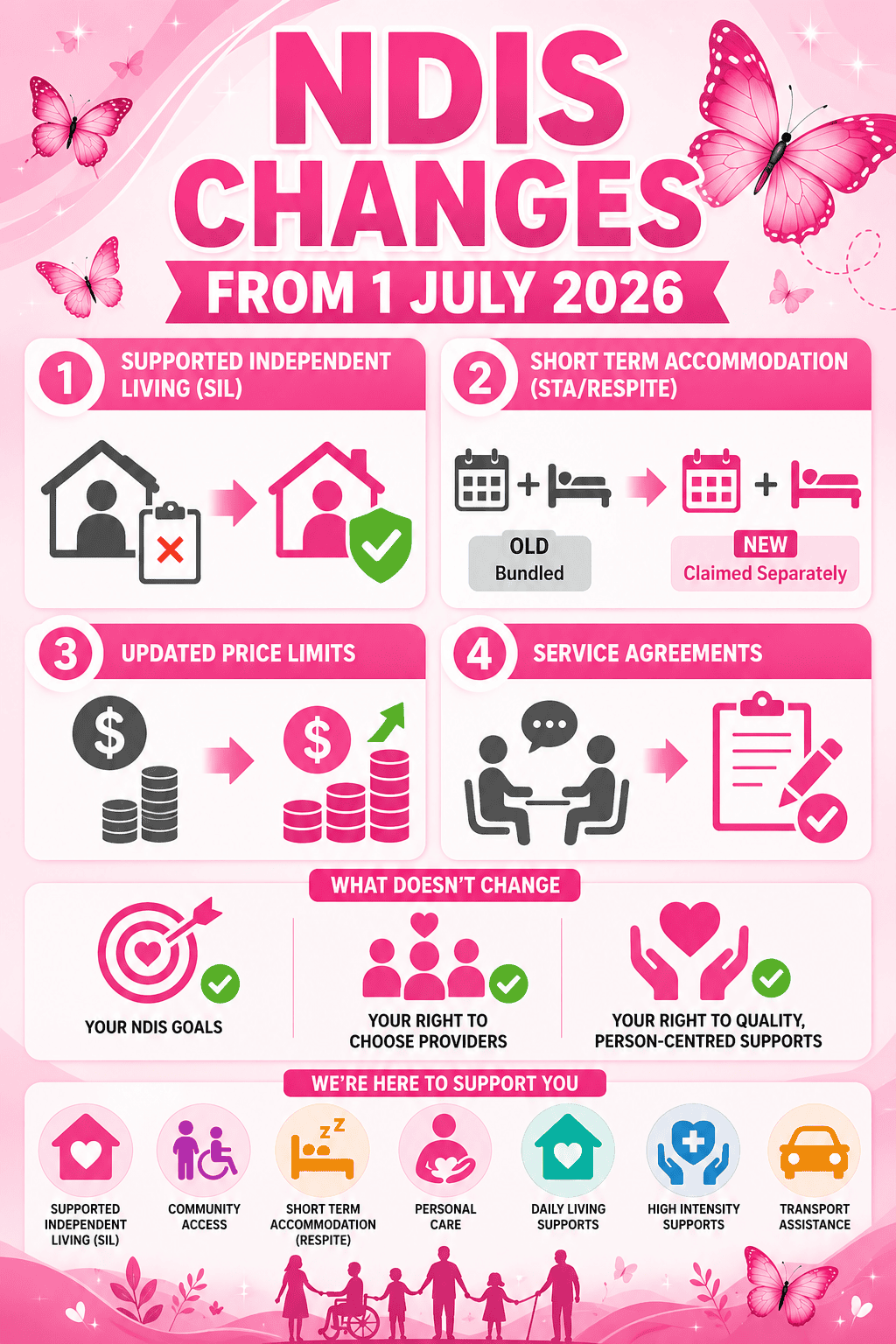
From 1 July 2026, the NDIS Pricing Schedule officially replaced the former Pricing Arrangements and Price Limits (PAPL) document. Following the 2026 Annual Pricing Review, the National Disability Insurance Agency (NDIA) has introduced several important pricing updates that affect both NDIS providers and participants across Australia.
These changes are designed to better reflect rising workforce costs, support quality service delivery, and simplify pricing arrangements under the National Disability Insurance Scheme (NDIS).
Key NDIS Pricing Changes from 1 July 2026
Higher Support Worker Price Limits
One of the biggest changes is an increase in NDIS support worker price limits.
The updated rates reflect:
- The 2026 Fair Work Commission Annual Wage Review
- The increase in the Superannuation Guarantee to 12%
As a result, providers can now claim higher maximum hourly rates for many support services, including:
- Weekday supports
- Evening supports
- Saturday supports
- Sunday supports
- Public holiday supports
These adjustments help providers meet increasing employment costs while supporting the sustainability of the disability support workforce.
Allied Health and Therapy Pricing Increases
The NDIS therapy pricing has also been updated across several allied health professions.
Notably:
- Psychology received one of the largest increases, with pricing rising by approximately 8.6% (around $20 per hour nationally).
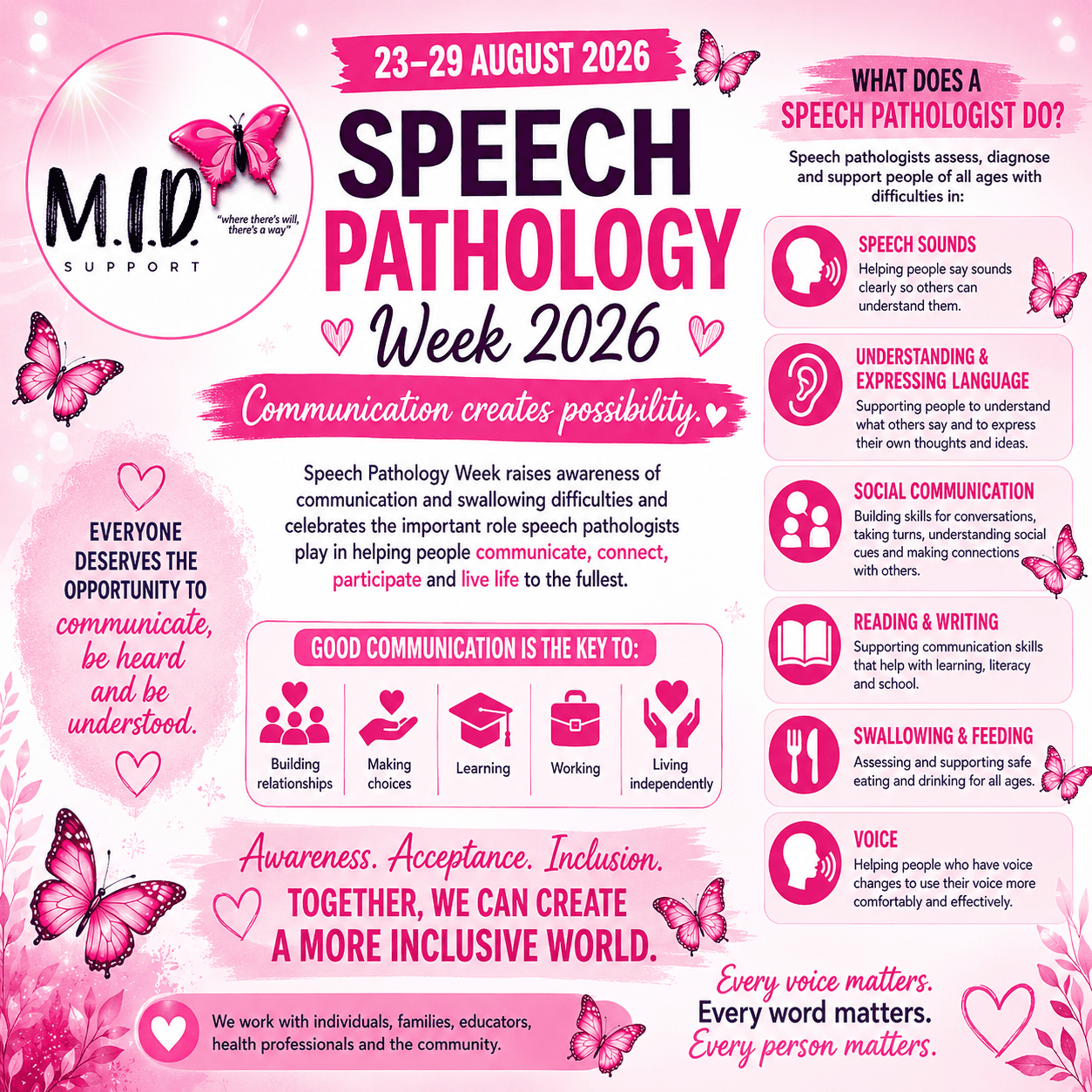
- Other allied health supports, including occupational therapy, physiotherapy, speech pathology and related services, also received revised price limits.
These changes aim to improve access to qualified allied health professionals while ensuring pricing better reflects the cost of delivering services.
New NDIS Support Item Numbers
The new Pricing Schedule introduces updated NDIS support item numbers that providers must use when claiming services from 1 July 2026.
Some of the most significant updates affect:
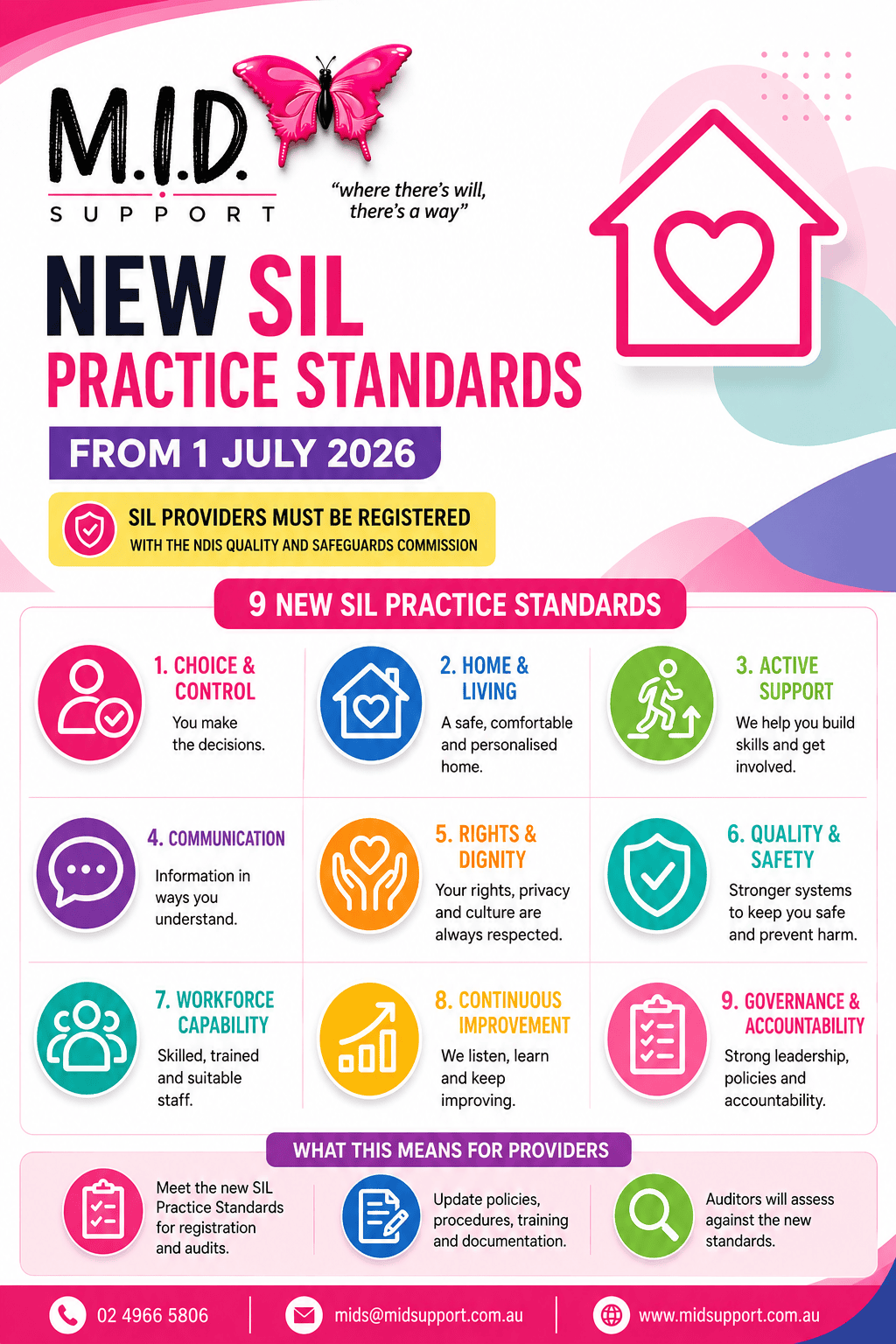
- Supported Independent Living (SIL)
- Provider claiming arrangements
- Service booking and invoicing processes
Providers should ensure their practice management software, billing systems and internal processes have been updated to reflect the new support item codes.
Service Agreements Must Be Updated
Although new price limits apply from 1 July 2026, providers cannot automatically increase their prices.
Before charging updated rates:
- Providers must discuss any pricing changes with participants.
- Participants must understand and agree to the revised pricing.
- Existing service agreements should be reviewed and updated where necessary.
Maintaining clear communication helps ensure participants remain informed and avoids unexpected charges.
Future Changes to the NDIS Pricing Framework
The NDIA has also announced plans to modernise how NDIS prices are determined in the future.
Rather than relying solely on the traditional annual pricing review, proposed legislation would introduce a Ministerial Pricing Determination Framework. This new approach is intended to create a more transparent, flexible and responsive pricing system that can adapt more effectively to changes across the disability sector.
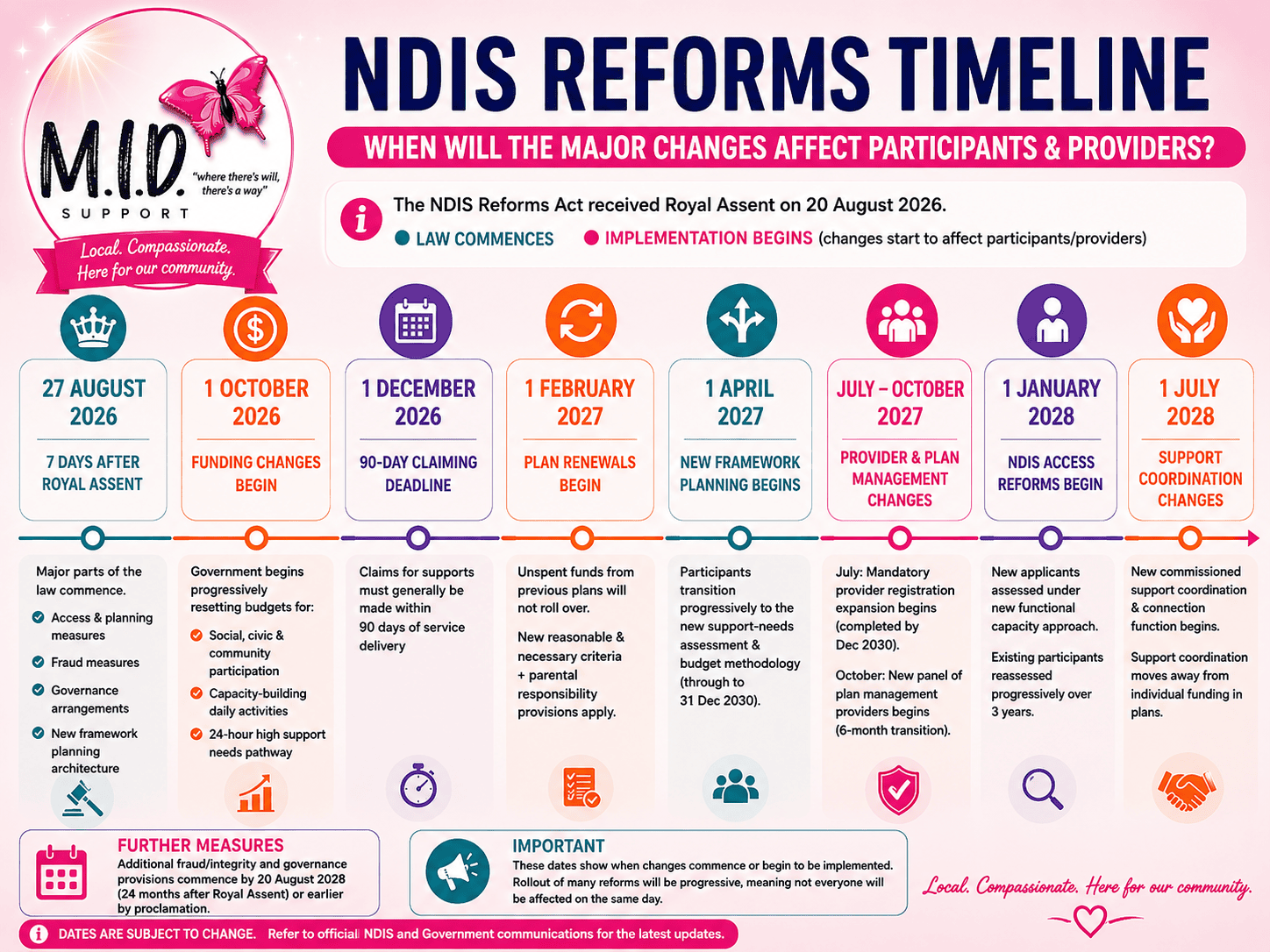
While further details are still to be released, providers should monitor future NDIA announcements to stay informed about upcoming reforms.
What These Changes Mean for NDIS Providers
For providers, the 2026 pricing changes present an opportunity to review business operations and ensure compliance with the updated Pricing Schedule.
Key actions include:
- Updating billing systems with the new support item numbers.
- Reviewing service agreements and discussing any pricing changes with participants.
- Training administration and support staff on the new Pricing Schedule.
- Checking that all claims align with the latest NDIS Pricing Schedule requirements.
What Participants Should Know
Participants are encouraged to speak with their provider if they receive notice of any pricing changes.
It’s important to remember:
- Providers cannot charge more than the published NDIS price limits.
- Any increase to existing service fees should be discussed before it takes effect.
- Participants have the right to understand how pricing changes affect their funding and service delivery.
Final Thoughts
The NDIS Pricing Schedule 2026 introduces important updates that affect support worker rates, allied health pricing, support item numbers and service agreements. While many providers will welcome higher price limits that better reflect rising employment costs, clear communication with participants remains essential.
Both providers and participants should familiarise themselves with the new Pricing Schedule to ensure services continue smoothly and all claims comply with current NDIS requirements.